What Makes Companies Dodge Taxes?
Rather than scheming, companies respond to incentives built into the tax code
Based on the research of Andrew Belnap
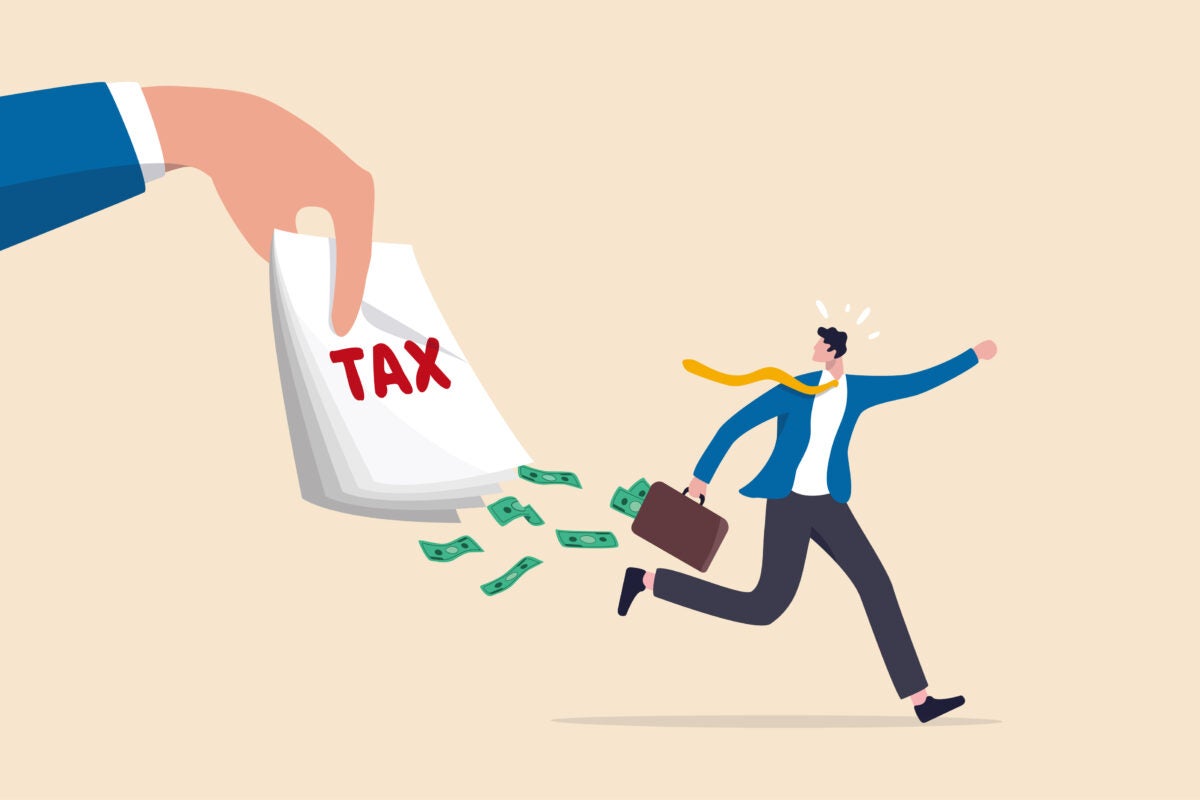
Few tax issues generate more public frustration than big corporations paying little, or sometimes nothing, in federal income tax. Since 2018, U.S. corporations have faced a 21% federal corporate income tax rate, the lowest rate in decades and down from a top rate of 53% in 1969.
But their effective tax rates — the percentage of income they pay after using tax breaks such as deductions and credits — are often even lower. In 2025, at least 88 corporations paid zero income tax, according to the Institute on Taxation and Economic Policy.
Why do some companies pay higher rates than others, and what drives some to pay less in taxes? New research from the McCombs School of Business at The University of Texas at Austin sorts through 30 years of research on corporate tax avoidance to uncover the most significant factors. Hint: It’s not primarily manipulation or trickery.
“There’s all this noise about companies that don’t pay taxes or have very low tax rates, but if you dig in, a lot are driven by pretty benign factors,” says Andrew Belnap, assistant professor of accounting.
Drivers of Tax Dodging
With Kaitlyn Kroeger of the University of Iowa and Jacob Thornock of Brigham Young University, Belnap evaluated 31 commonly cited explanations side by side. Using data on more than 8,000 annual observations of publicly traded U.S. companies across two decades, they measured how much each factor explained differences in companies’ effective tax rates. They also highlighted which were most significant.
Investment opportunities. What a company invests in was the biggest driver, explaining 34% of the differences in companies’ cash tax rates — the percentage of income they pay in cash, which can differ from what they record for accounting purposes. They paid significantly lower taxes if they:
- Spent heavily on research and development, which generates tax credits.
- Held significant intangible assets such as patents and brands, which are easy to move across borders for tax purposes.
- Routed income through foreign subsidiaries in low-tax jurisdictions.
Tight money. Financial constraints explained 21% of the variation in cash tax rates. Financially stretched companies are especially motivated to minimize tax bills, because they need every dollar they can keep, Belnap says.
Operating profile. Many tax savings have nothing to do with deliberate tax planning, Belnap notes. They result from the way tax laws interact with a company’s finances.
“Operating metrics such as net operating losses, profitability, and how much debt a company has relative to equity — those explain a lot of variation in effective tax rates,” he says.
Drilling down inside corporate structures revealed another layer of the puzzle. Two divisions of the same company can have strikingly different tax rates. Ford’s car manufacturing arm pays 25%, while its financial services unit pays only 19%.
Managers Matter
As striking as the factors that do relate to tax avoidance are the ones that do not. Several that have attracted attention — such as CEO pay structures, board composition, ownership structure, and company size — explain relatively little of the differences in tax rates, the researchers found.
One significant factor is personal rather than economic: which manager is running the company. Individual executives leave a distinct tax fingerprint that follows them from company to company, with manager-fixed effects accounting for 24% of tax variation.
For policymakers who’d like to increase corporate tax receipts, Belnap hopes the study can offer a rough road map. They can supplement traditional strategies such as corporate governance reforms or increased audits with more targeted rules.
- Regulations governing R&D and intangible assets are likely to have the greatest impact.
- Authorities can push companies to disclose more about how income is earned across different countries and business units.
“Companies are responding to the incentives that politicians are providing,” Belnap says. “Policymakers who think there is too much tax avoidance need to understand the big drivers, then adjust the incentives being given.”
“Explaining Corporate Tax Avoidance” is published in Management Science.
Story by Deborah Lynn Blumberg
About this Post
Share: