What I’m Reading: ‘Greenlights’: Creating Your Own Path
Matthew McConaughey reminds us that it’s OK to pivot, but you’ve got to be
prepared
By Dean Bradley R. Staats
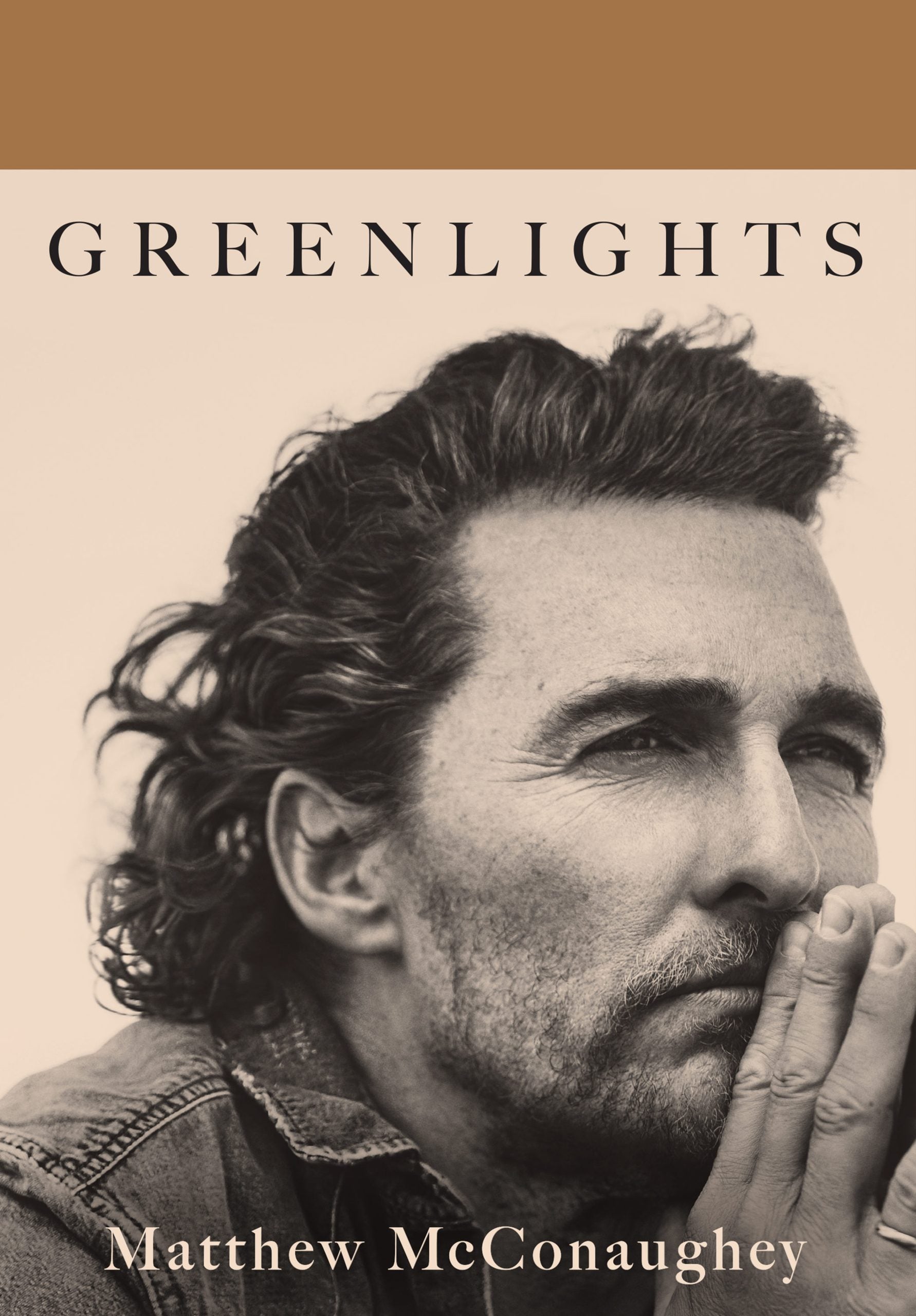
A student gave me Matthew McConaughey’s “Greenlights” as a welcome-to-Texas gift this summer. It was a thoughtful choice. Few people embody the spirit of The University of Texas quite like McConaughey. From his unmistakable “Alright, alright, alright,” to his passionate support for the Longhorns, he is an apt minister of culture for the University.
The stories in “Greenlights” extend my exploration of purposeful ambition, a theme I considered in last month’s review of Red McCombs’ memoir “Big Red.” While Red encouraged us to go for it, McConaughey reminds us to make sure we know what we’re going for: How do we figure out what matters, prepare ourselves to pursue it, and find the courage to keep learning and changing along the way? Four lessons from his book stand out to me.
1. Green lights aren’t just found; they’re created.
McConaughey’s central metaphor is that life is filled with green, yellow, and red lights. Some opportunities come through good fortune or timing. Others emerge from preparation, persistence, and the choices we make. And sometimes, what initially looks like a red light turns out to be a green light when viewed in the rearview mirror.
I especially appreciate the sense of ownership in this perspective. We cannot control everything that happens to us, but we have considerable influence over what happens next. We can prepare for opportunities, change direction when something isn’t working, and create possibilities that didn’t previously exist.
2. Preparation creates freedom.
One of my favorite stories is how McConaughey came up with the line “Alright, alright, alright” while filming “Dazed and Confused.” (A fun personal connection: “Dazed and Confused” provided the senior class theme at Westlake High School in 1994.) His famous line was improvised, but it emerged from his preparation and understanding of the character. When the moment arrived, he was ready.
It reminds me of dancer and choreographer Martha Graham’s observation that “technique is the dancer’s freedom.” We sometimes think of preparation and expertise as constraints on creativity, but the opposite is often true. The more deeply we understand something, the more freedom we have to experiment with it, improvise, and discover new possibilities. Focusing on the process of learning, rather than just the outcome, helps us develop the expertise that makes this possible. That’s true for an actor, a dancer, a business leader, or a student learning to work with AI. Deep expertise doesn’t limit our choices; it expands them.
3. Learning requires humility and a willingness to understand others.
One of my favorite lessons comes from McConaughey’s travels in Africa. During a conversation with two men, he tries to resolve their disagreement by deciding who is right. They quickly correct him: The point isn’t to win an argument but to understand one another. McConaughey captures the lesson in a simple phrase: “Educate before you indict.”
That strikes me as an especially important lesson for leaders. We are often quick to form judgments, defend our positions, or assume we understand someone else’s circumstances. But genuine learning requires curiosity and humility. We have to be willing to listen, ask questions, and recognize that our perspective is incomplete. It’s also a reminder of why leadership must remain human-centered, particularly as technology changes how we work. AI can help us access information, analyze problems, and generate ideas, but understanding people, building trust, and exercising judgment remain essential to putting those capabilities to work.
4. Courage sometimes means knowing when to stop.
McConaughey had built an enormously successful career in romantic comedies, but he realized that success wasn’t taking him where he wanted to go. He stopped accepting those roles, even when it meant turning down substantial paychecks and going nearly two years without working. He risked what he had achieved to pursue something more meaningful. Success can make change surprisingly difficult. We become invested in what we’re good at, even when it is no longer taking us where we want to go. To thrive as life changes, we need the courage to question what’s working today and recognize when we need to take a different path. Sometimes moving forward requires us to stop doing something that has made us successful.
[NOTE]
Reading “Greenlights” reinforced something I’ve been thinking about as we build on the remarkable tradition of Texas McCombs. Our commitment to being human-centered and future-focused means honoring the people, relationships, and values that make this school exceptional while continually learning, adapting, and creating new opportunities. We can lean on tradition while having the ambition and courage to shape what’s next.
McConaughey reminds us that the path forward is rarely straight. We’ll encounter red lights, take wrong turns, and sometimes discover that the destination we were pursuing is no longer the one we want. What matters is how we respond. For me, the most important lesson of “Greenlights” is that we don’t have to wait for opportunities to come our way. We can prepare for them, create them, and, especially as leaders and educators, create greenlights for others.
Hook ’em!
Dean Staats is reading a new book every month and sharing his insights. Read them all here.
About this Post
Share: