Leading Forward: Urooj Khan
Elevates the MBA experience
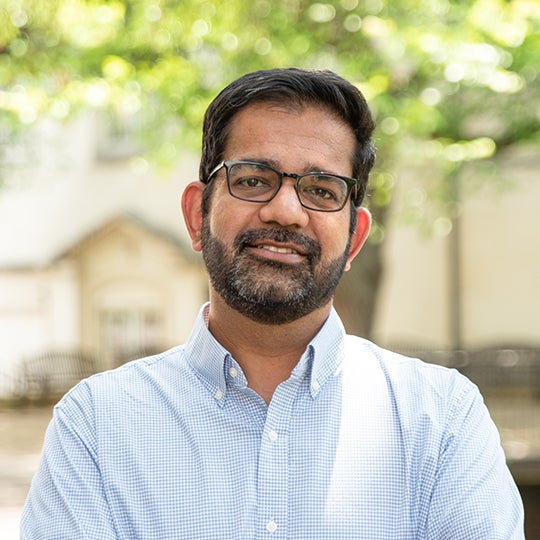
If you’ve ever wondered how business schools keep pace with a rapidly changing world, meet Urooj Khan.
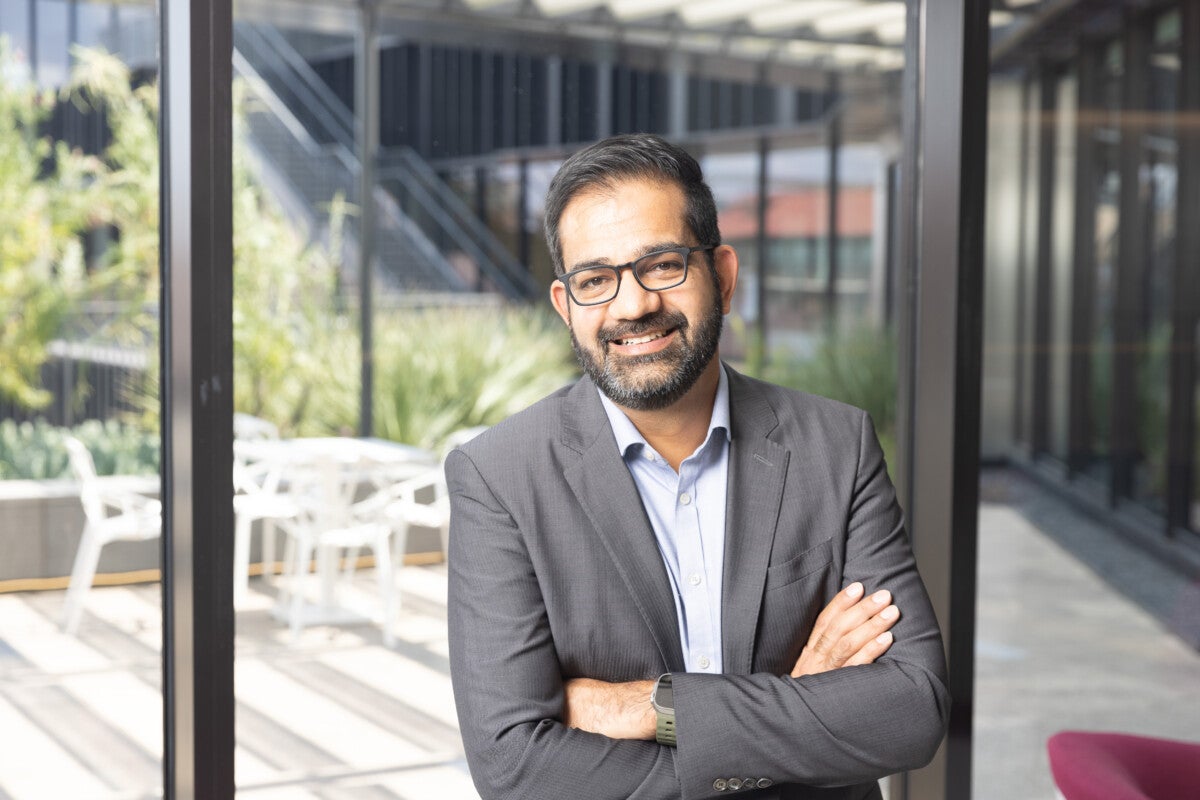
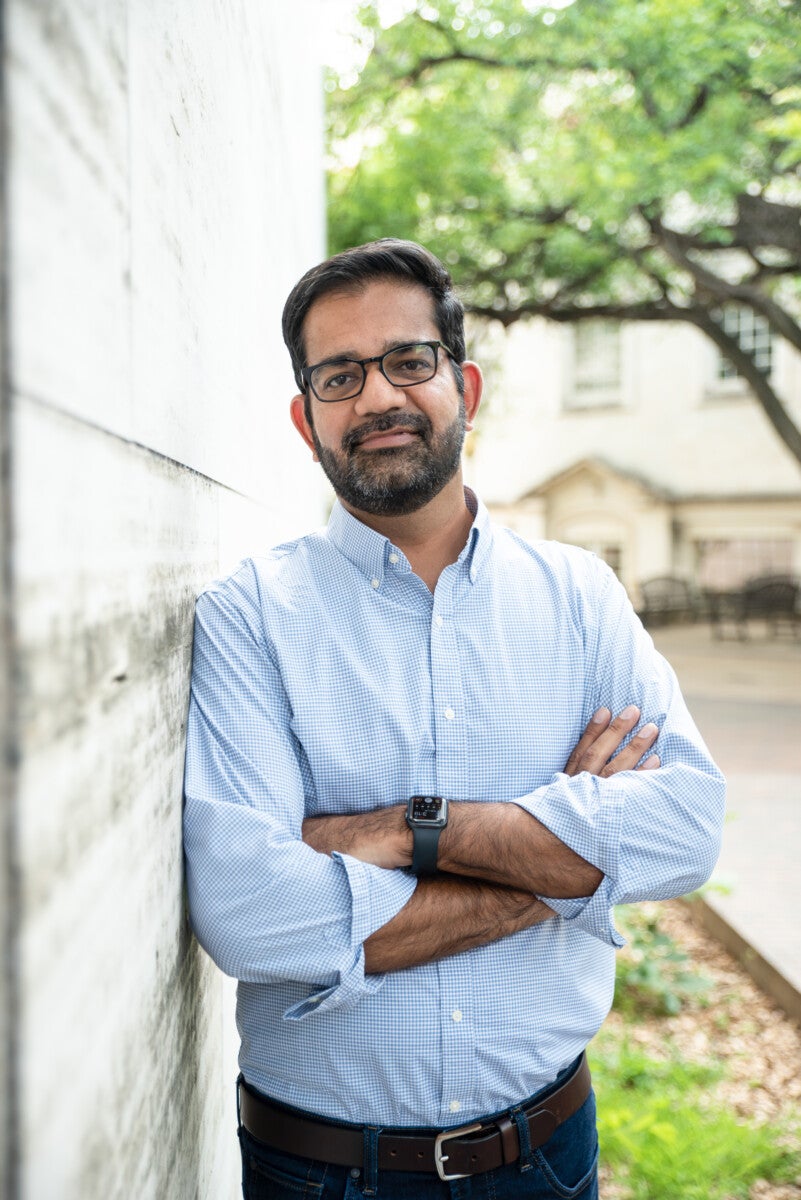
As associate dean of the Hildebrand MBA programs and professor of accounting at the McCombs School of Business, he is helping shape an MBA experience designed for what’s next.
Title: Associate Dean for Hildebrand MBA programs and Professor of Accounting. He holds a Deloitte & Touche Centennial Faculty Fellowship in Accounting.
Works closely with: MBA program directors, admissions, student affairs, academic advising, career and alumni relations, and curriculum development teams.
Years at UT: 5
Hometown: New Delhi, India
Education: BCom ’02, Shri Ram College of Commerce; M.S. ’05, Syracuse University; M.S. ’09, Ph.D. ’10, University of Washington Foster School of Business
First job: Corporate banking assistant, Hong Kong and Shanghai Bank (HSBC)
What’s one thing you’re doing right now to make the MBA experience more valuable for students considering McCombs?
We’re investing heavily in what we call our agile curriculum, an approach that allows the program to quickly adapt, pilot, and refine curriculum based on market needs and student demand. That matters because today’s economy and business environment are evolving in real time. The emergence and advancement of artificial intelligence is a great example of this. We have introduced new standalone AI classes in a variety of disciplines, and we are working on integrating AI into all our other existing courses. We expect our students to keep pace with these innovations and trends. So we’re continuously listening to employers, alumni, and students, then translating that into timely learning experiences that ensure our graduates leave McCombs both career-ready today and resilient for what’s next.
Can you share a recent example of how your team helped MBA students overcome a challenge, and what future students can learn from it?
The need for MBA training becomes more important in an AI-enabled world. AI can do parts of the analysis faster and surface options, but it doesn’t own the decision, the trade-offs, or the accountability. What businesses need are leaders who can frame the right questions, interpret insights with context, and then build consensus across stakeholders. And when you’re operating in ambiguity, which is inherent across all economic decisions, someone still has to make the call. That’s where the MBA experience is so powerful because it helps develop judgment, communication, and the ability to lead people through uncertainty.

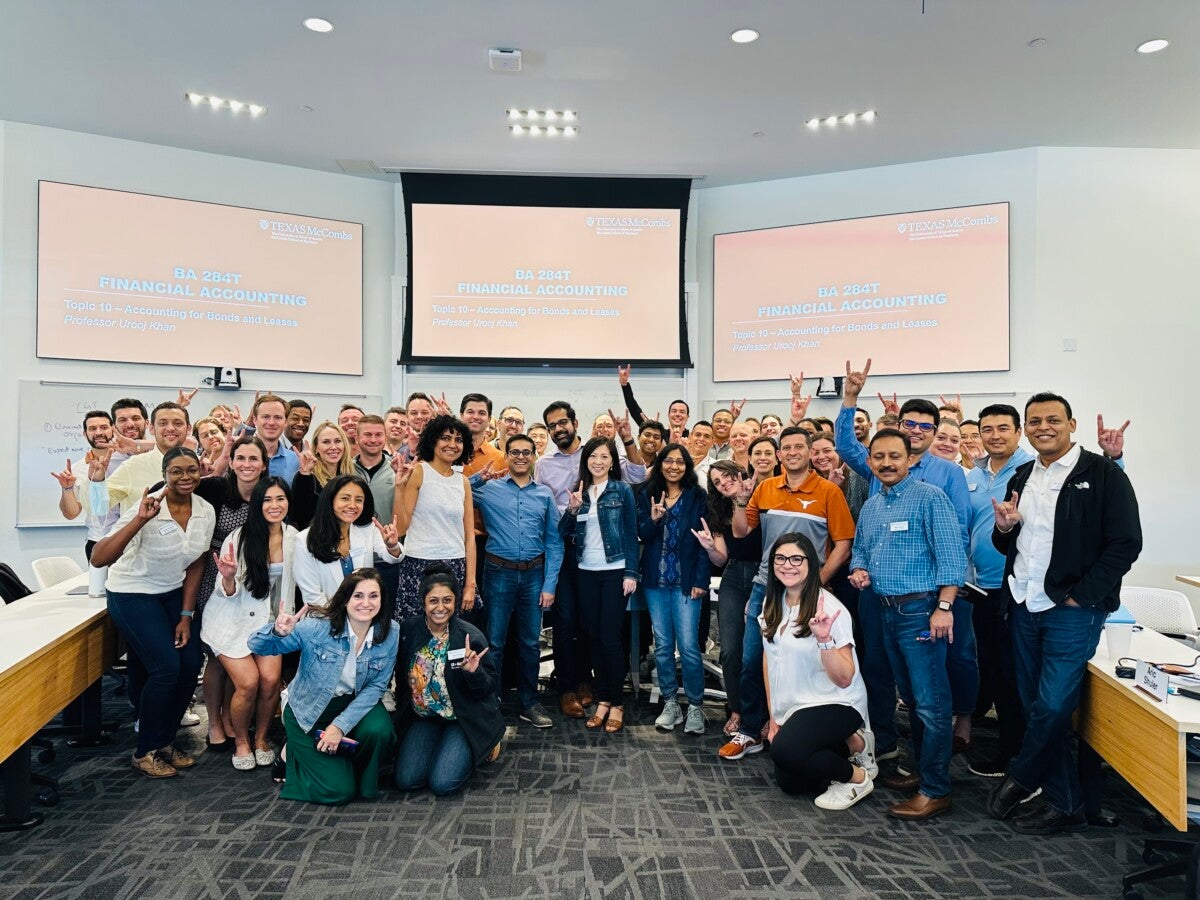

What advice would you give to someone thinking about joining the Hildebrand MBA program, based on what you see behind the scenes?
From what I see behind the scenes, the people who get the most out of an MBA are the ones who come in with clarity about what they want to explore and have the humility to let the experience shape them. My advice is to be intentional early but also stay flexible enough to adapt as you learn more about yourself and the market. And invest in relationships, because your classmates, faculty, and alumni network become the real force multiplier long after graduation.
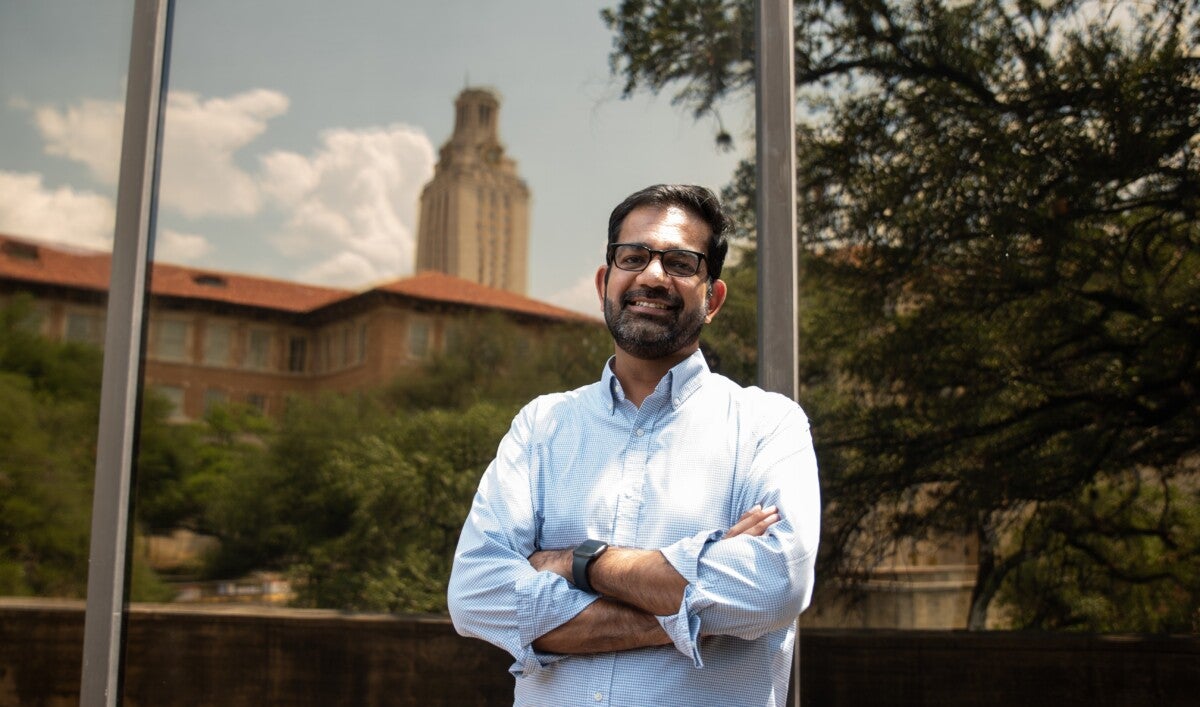
- Hidden campus gem: Rowling Hall terraces when it’s not 100 degrees outside
- Favorite Austin hangout: Grey Rock Golf Club
- Burnt orange gear: UT and McCombs sweatshirts
About this Post
Share: