The Changemaker
Why Investing in Accounting Education Matters Now
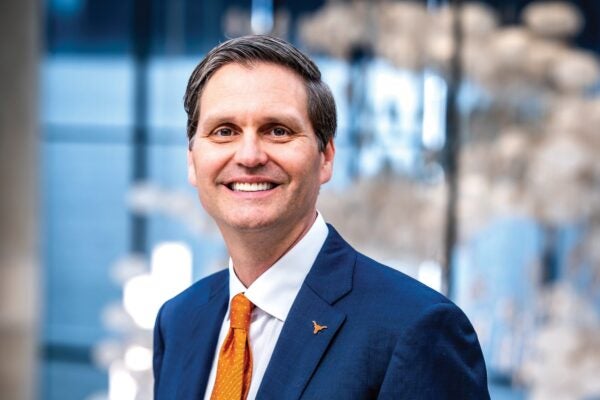
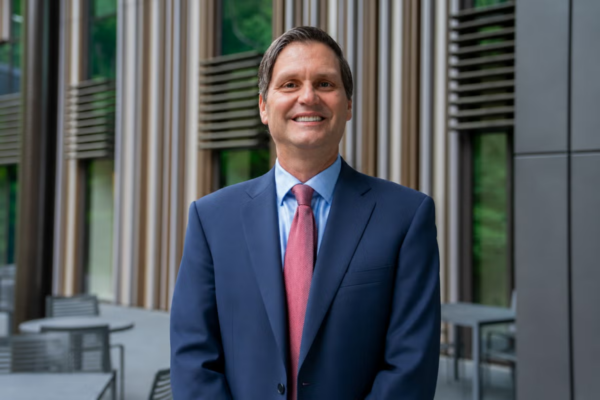
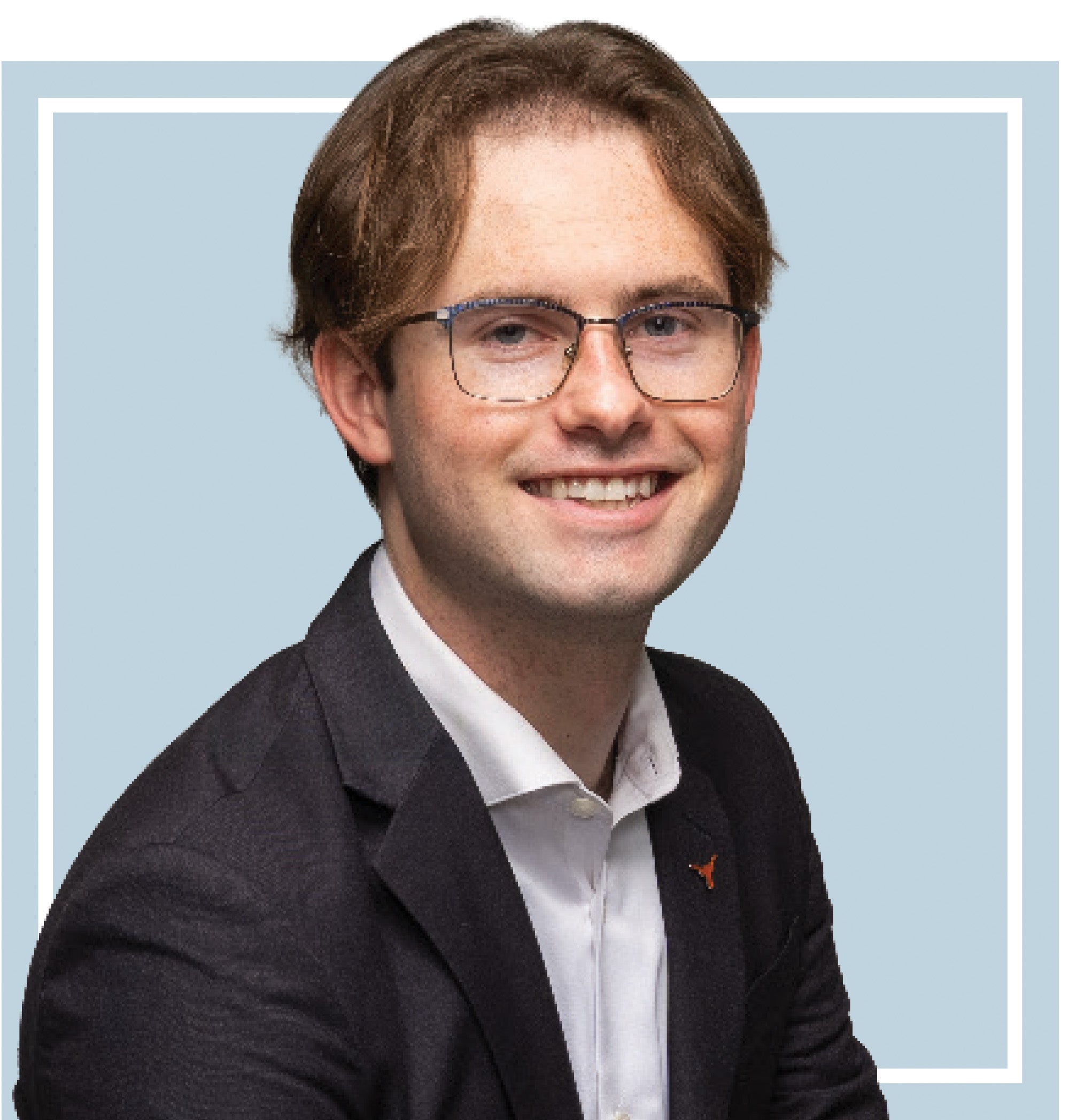
Jonathan K. Shulkin, BBA ’97
When Jon Shulkin, BBA ’97, arrived at the McCombs School of Business, accounting was still largely about recordkeeping and compliance. During his career, he’s seen a profound transformation in which accounting doesn’t just measure value — it creates it.
He creates value himself, in private equity and venture capital with some of the world’s biggest technology and consumer companies.
“The ability to not only understand the numbers but to build systems and analysis from scratch allows accounting graduates to add value in a very unique way,” Shulkin says.
Today, Shulkin says he thinks that accounting is entering its most powerful era yet — and that McCombs students are uniquely positioned to harness that power. That conviction led him to make a recent gift that named the Jonathan K. Shulkin Department of Accounting.
He describes a McCombs degree as “like an engineering degree in accounting: a rigorous, bottom-up understanding of how day-to-day activity of a business translates into financial statements.”
That deeply technical, engineering-like skill set seeded his own career, which began at Bain & Company. In 1998, he joined the operational growth equity firm Valor Equity Partners, based in Chicago.
Shulkin now serves as partner and co-
president of Valor, where he manages Valor Siren Ventures, a series of funds investing in emerging technology companies across the consumer, food, retail, and sustainability sectors. Its corporate partners include Starbucks and Nestle.
He also oversees Valor’s Scale Group, which provides hands-on operational support to portfolio companies such as SpaceX and xAI.
Traditional Roles ― and Beyond
From his own experience, Shulkin attests that today’s business landscape is wide open for ambitious accounting graduates. He points to changing tides in the technology industry as an example.
“Technology companies are becoming much more asset-heavy, versus what was traditionally an asset-light software industry,” he says. Now, they must manage manufacturing operations, investments in data centers and graphics processing units, and supply chains.
Enter accounting graduates. “They can apply their skills to these companies in a wide range of roles, from traditional financial planning and analysis, controller, and chief financial officer verticals, but also valuable roles side by side with engineers building products,” Shulkin says.
But accounting opportunities aren’t limited to existing corporations. He points to the record-setting surge of new businesses today.
According to U.S. Census Bureau data, recent years have marked the highest levels of business applications since the federal government began tracking them in 2004. The growth is driven in large part by new technologies, especially artificial intelligence.
In this high-growth entrepreneurial environment, accounting graduates — or even students, Shulkin says — can show their worth and quickly build career-enhancing skills.
Hands on Keyboard
Shulkin gravitated toward math from an early age, taking accelerated classes in grade school. By high school, he was turning that interest into something concrete. While teaching tennis and working at a local club, he built an accounting system. It used one of Microsoft’s earliest products to help manage invoices, receivables, and payables.
These foundational skills, which he honed further at McCombs, have been some of the most valuable for him. “The ability to be ‘hands on keyboard’ is truly a differentiator in the business world,” he says.
“I’m certainly much slower than I was 20 years ago, but I can still sit down with a pad of paper and pencil to write out journal entries and build financial statements from the
ground up.”
To that nuts-and-bolts skill set, McCombs layered on a holistic understanding of the accounting discipline. “Innovating business models and financial structures requires broad knowledge in order to understand the impact on a company’s financials,” Shulkin says.
“The opportunity provided by UT’s accounting programs to go deep into all areas of accounting, and not specialize early on in fields like audits or taxes, continues to be extremely
valuable in my career.”
His career with Valor is mission-driven, he says. “We only invest in companies that we believe are doing good things for the world.”
That’s his advice to the next generation of accountants. He hopes his investment in McCombs’ accounting programs will ultimately help them realize their missions.
“I’d tell students to find opportunities to work on things that they are passionate about,” he says, whether at one of the Big Four accounting firms, a team at an established company in industry, or an entrepreneurial venture.
“These opportunities exist in the world, and the skills of our accounting graduates are in high demand today. Working hard at a place where there is a mission provides your life with purpose and meaning.”
—Judie Kinonen
Explore the stories




About this Post
Share: