Display Video Reviews Late in Shopping
Experiential information, such as online video reviews, works best when shoppers are closer to buying decisions
Based on the research of Muhammad Jawad
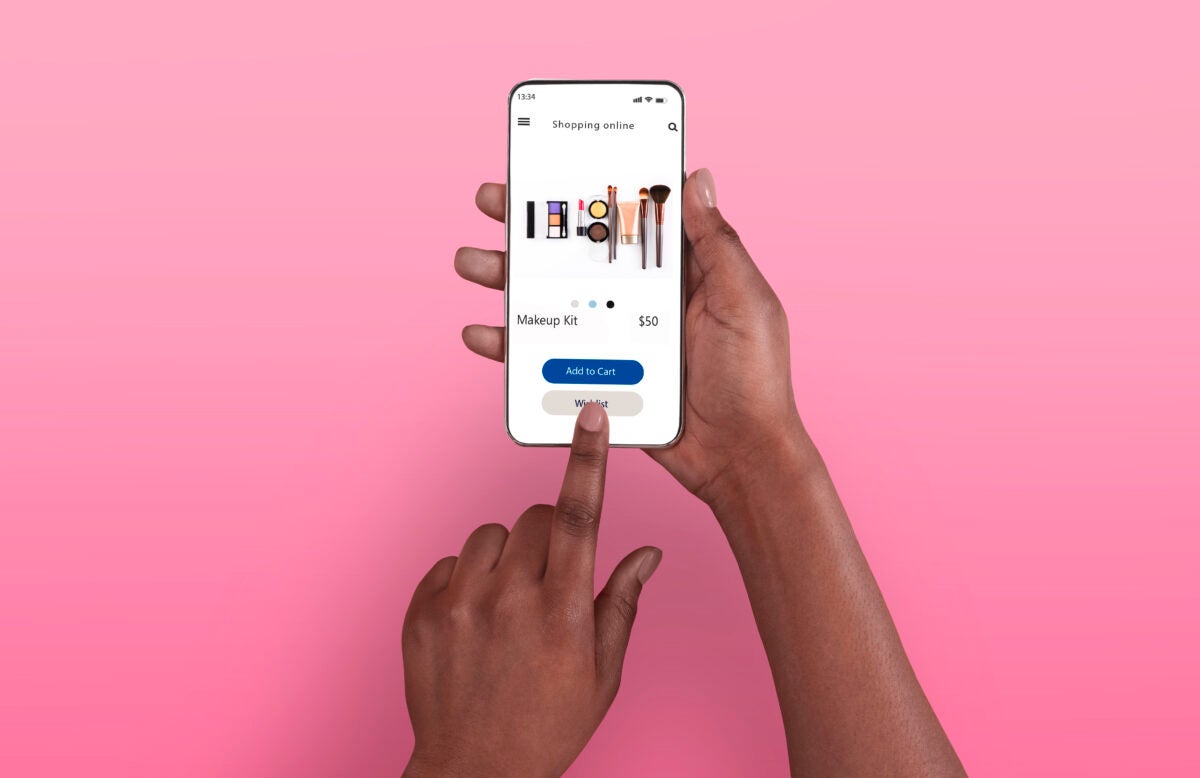
Instead of going to stores to compare products, Americans have increasingly turned to watching online video reviews.
As far back as a decade, 55% of Americans reported they’d watched online reviews of products, according to Pew Research. As of late 2024, Pew found 62% were relying on the video platform TikTok to view product reviews or recommendations.
They may be popular, but do video reviews really lead people to buy? New research by Muhammad Jawad, clinical assistant professor of information, risk, and operations management at McCombs School of Business at The University of Texas at Austin, finds that they do, but with a catch: Timing matters.
The same video review can either clinch a sale or fall flat, he finds — depending entirely on when it appears in the decision-making process.
Jawad’s interest in the topic sprang from his own experience, he says. “When I’m interested in a product, I go online and I look for the products that are available. Then, I look them up on YouTube to find the review videos, because I want to get more information, like, ‘How does it feel? How does it work?’”
Video reviews can offer experiential, visual information that text reviews can’t, he says. He wondered, however, when they were beneficial to making buying decisions and when they weren’t.
For his research, Jawad chose a commonly purchased product: a smartphone case. With Raquel Benbunan-Fich of the City University of New York, he experimented with 120 undergraduate students. In a lab, he assigned them the hypothetical situation of buying a case as a gift for a smartphone owner.
The experiment mimicked real-world shopping. First, participants browsed eight smartphone cases to narrow down their favorites — the way they might scroll through Amazon’s first page of search results. Then, they made their final choice between the top two contenders.
Different groups saw different review formats at each stage. One group watched video reviews during the first stage, while reducing eight options down to two. It then read text reviews before selecting the final choice. The other group did the opposite: text followed by video.
The researchers found that matching the right review format to the right shopping stage made all the difference. Participants who saw text for choice reduction and video for choice selection showed dramatically better outcomes compared with those with mismatched formats.
- They rated review quality 9% higher, meaning they found reviews more helpful and trustworthy.
- They engaged 16% more deeply.
- They had 18% stronger purchase intent, which leads to more sales.
“They were much more likely to go ahead with the purchases, because the reviews were in the right stages: text first, videos later,” Jawad says. “The users looked at the information in a much more cohesive way.”
The implication is that sequence matters, he says. Retailers and online influencers who make video reviews do better when shoppers are further into the process of deciding what products to buy.
Amazon already appears to be displaying video reviews on product detail pages, when shoppers have already narrowed down their choices, he adds. Other e-commerce companies could follow suit.
“Target those customers who are in the later stages with more video reviews,” Jawad advised. “That could eventually help them make the final decision.”
“Why Video Reviews Are Not Always Better: The Role of Format-Stage Fit in Online Decision-Making” is published in Decision Support Systems.
Story by Omar Gallaga
About this Post
Share: