From Pallets to Clean Energy
Two MSTC alumni are turning organic waste such as wooden pallets into captured carbon, biofuel, and clean energy
When Miles Murray, MSTC ’19, met Petey Peterson, MSTC ’19, on their first day in the Master of Science in Technology Commercialization (MSTC) program at the McCombs School of Business, Peterson had just rushed in after delivering a customer a load of biochar –– charcoal formed from organic waste and used as lump charcoal. He was running a shoestring waste-conversion business and looking to use his MSTC degree to scale up.
Murray, an environmental engineer with an MBA, had his sights set on leading a technology company. The two hit it off immediately, and in 2019 they founded Locoal Charcoal Co., a waste-conversion technology firm in Austin, to commercialize Peterson’s concept.
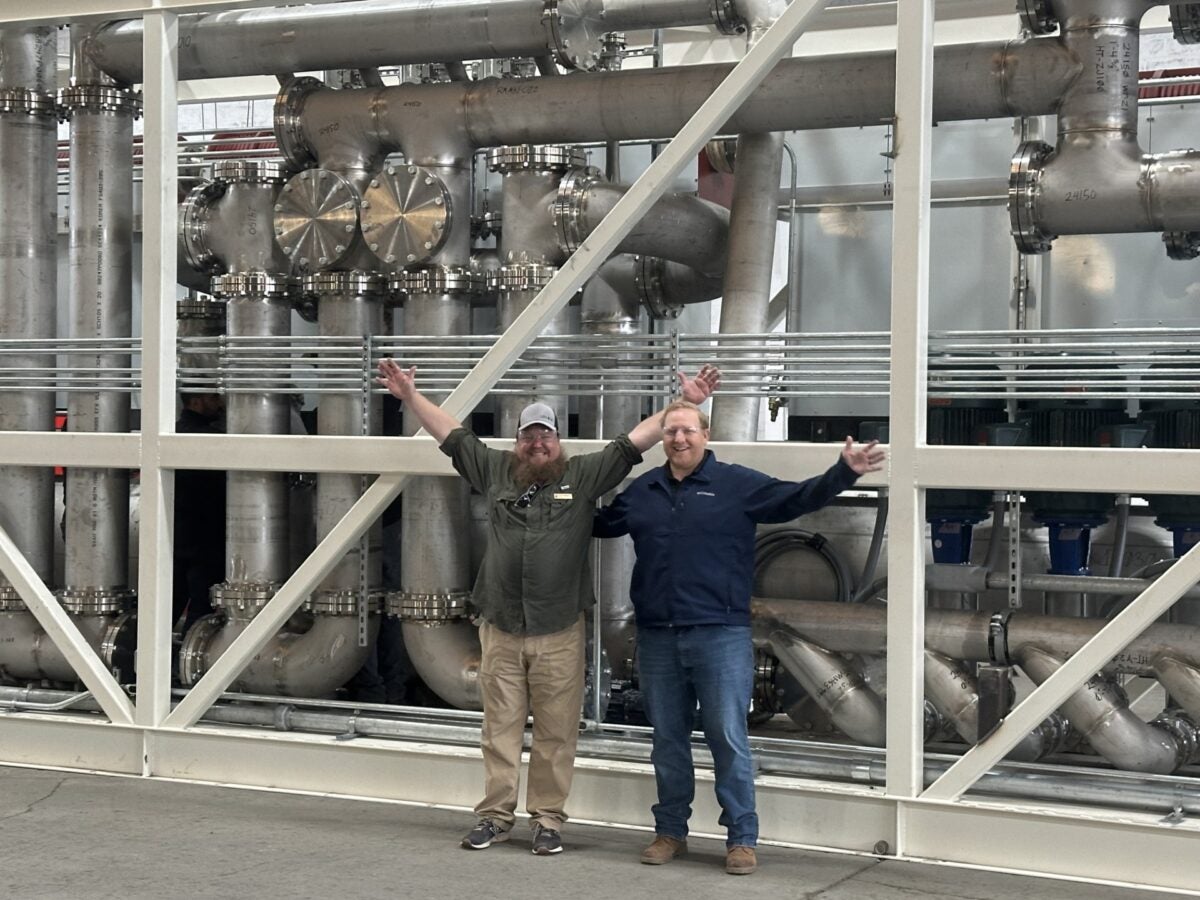
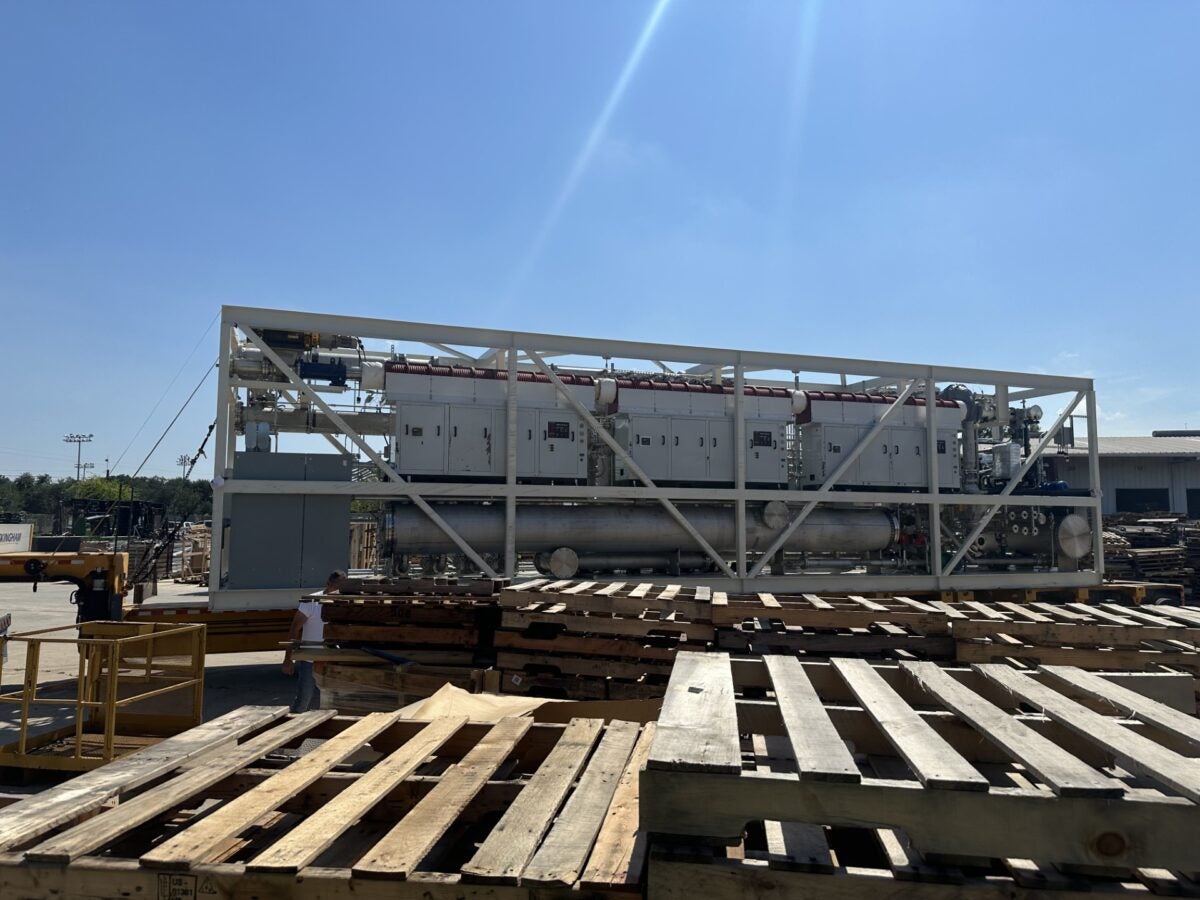
A team of skilled tradesmen and engineers built the first prototype of Locoal’s signature technology, Rainmaker, during the pandemic. The company most recently demonstrated its commercial unit at a ribbon-cutting Nov. 18 at its first on-site facility, the Houston location of 48forty, a national pallet management company.
Rainmaker is a transportable unit about the size of a mobile home. It converts wood and other organic waste diverted from landfills into soil enhancer, using a proprietary pyrolysis technology. In the process of conversion, the unit also creates liquid fuel, and gas and biological co-products for commercialization. Locoal’s IMPCT.AI software platform measures, verifies, and reports data from the unit for real-time carbon accreditation.
“Our singular focus is to be a zero-waste, self-powering carbon capture system that yields more economic value than the cost to own and run the machine, versus throwing things away,” says Murray, Locoal’s CEO.
Rainmaker machines, managed by on-site operators trained by Locoal, are placed at customer locations, eliminating the expense and environmental impact of transporting waste to a landfill. At Locoal’s pilot location, 48forty repairs and repurposes pallets. The company produces tons of waste in the form of discarded broken pieces, which it feeds into Rainmaker to convert into renewable energy.
Pallets are a target feed stock for Locoal. Used in shipping, some 500 million of them, each weighing about 40 pounds on average, end up in landfills every year in the U.S. alone.
The technology turns what once was an expense into a new income stream. It produces synthetic gas that powers a generator to create clean energy and can be used to self-power the machine. The system pays for itself in a few years.
“We derisked our technology because we produce these different co-products that all have different commodity values that are more valuable than just the waste,” says Peterson, chief revenue officer. “In the form of energy, the biochar, the carbon credits, and the bioliquids, we can turn that $7-per-ton cost of organic waste into $400 of new value for customers.”
Murray and Peterson hope to replicate the 48forty pilot in hundreds of communities across the globe.
“We get calls almost every day from prospective new clients across different feed stocks, from municipal solid waste to cow manure, wood, tires, and even nuts. So, there’s tremendous demand out there,” Peterson says.
Murray says his inspiration to bring alternative waste management solutions to market was born during his time as an Army commander in Afghanistan, where efforts to manage waste included burning pallets in the hot, windy desert near a poverty-stricken community. For Peterson, it was a spiritual moment that opened his eyes to the potential for waste management solutions that would contribute to carbon capture, top-soil renewal, water conservation, and food security.
Both describe Texas McCombs’ MSTC program as a launchpad for their successful startup. The highly ranked 12-month program guides students in the unique set of skills required to identify and market promising new technologies.
Murray says the courses provided a blueprint that included patenting Locoal’s technology and carefully planning capital allocation over time.
“The heart and soul of capitalism is: Go find a problem, and find people to build a solution to it,” he says. “MSTC taught me to think about real problems, real capital, and how you’re going to deploy it and return it back to investors.
“No way would I have been prepared to run Locoal with Petey if we had not spent that year together.”
Story by Sally Parker
About this Post
Share: